Paje, Zanzibar: where to base yourself
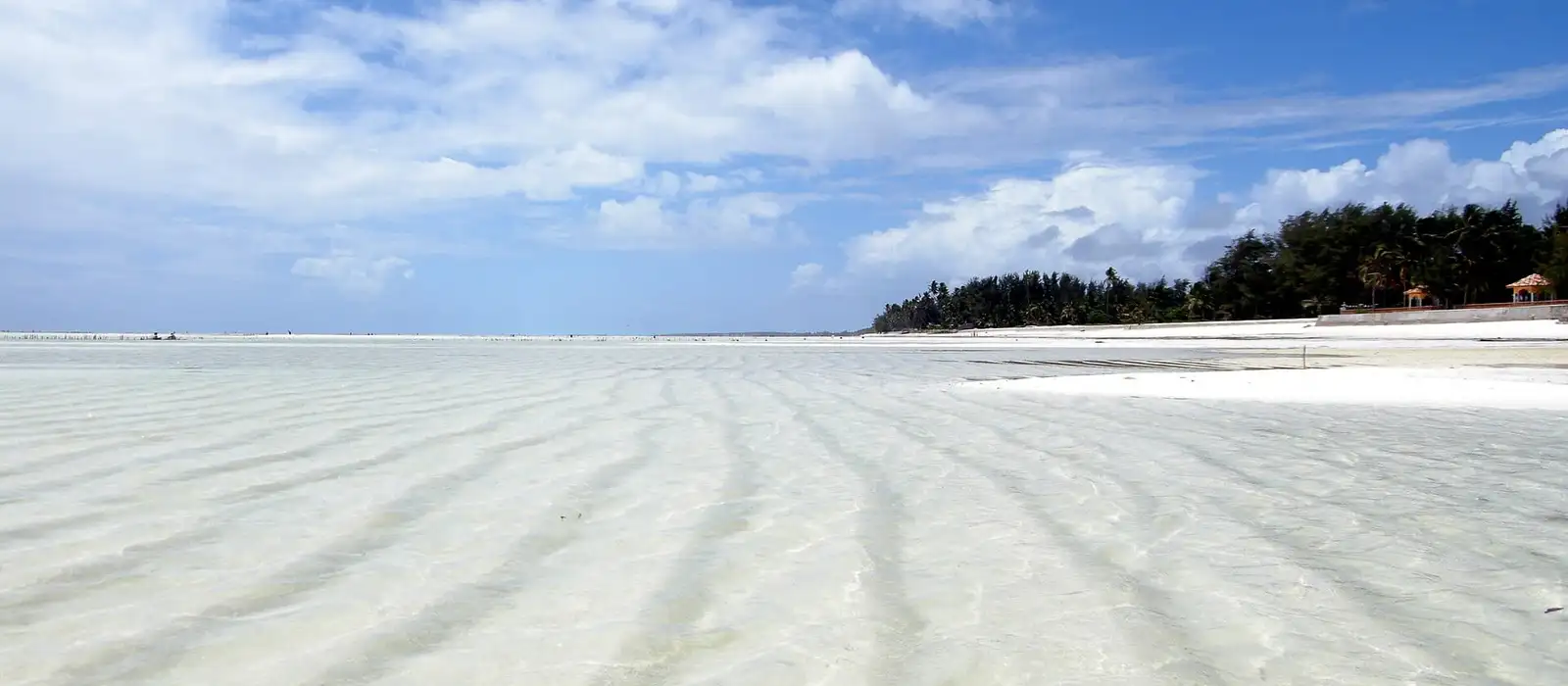
Paje sits on Unguja’s southeast coast, where the road from Stone Town reaches the coastal junction. Bwejuu lies to the north and Jambiani to the south. The village, road junction and beachfront form related but different accommodation settings.
Central Paje suits travelers who want to walk between cafés, restaurants and kite schools. The southern beachfront has more spread-out accommodation, including private-villa resorts. Inland or garden properties generally offer better value than the most spacious beachfront villas, but their beach access can involve a short lane or footpath.
The trade-off is the same across the area: Paje is attractive because its lagoon changes, not because it behaves like a deep swimming bay. A pool is particularly useful if your holiday includes non-kiting companions. The Zanzibar beaches comparison helps separate this coast’s strengths from those of the north.
Getting to Paje from the airport and Stone Town
From Abeid Amani Karume International Airport, a private taxi or hotel transfer takes about an hour to central or southern Paje in normal conditions. Use roughly 40-50 km, or 25-31 miles, depending on the hotel: about 40 km to White Sand and about 50 km to Dhow Inn. These are approximate hotel arrival distances, so they are not interchangeable measurements to one village-center point.
From Stone Town, the road journey to Paje is about 45-49 km, or 28-30 miles. A direct drive normally takes 45-60 minutes; allow 60-90 minutes in your itinerary for the hotel approach, luggage and traffic. The route runs across the island through the Jozani area before reaching Paje’s junction.
The direct car journey is simpler than using local shared transport with luggage or kite bags. Dala dalas connect the town and east coast, but stops and transfers make timing less predictable. They also have a different comfort and safety standard from a private vehicle with seat belts.
If you are including culture, spend the town portion of your trip in Stone Town before moving east. A separate overnight stay makes more sense than repeatedly crossing the island for short visits.
How the lagoon and tides change your day
The local tidal range can reach about 3.5 m, or 11.5 feet. That is a vertical difference in water level, not a prediction of how far the water will retreat on your chosen date. Across Paje’s gently shelving lagoon, the visible retreat can be extensive.
Low water exposes sand, seaweed plots and shallow channels. Higher water restores usable depth, but wind, kite traffic and currents still determine where swimming is appropriate. The reef lies roughly 2 km, or 1.2 miles, offshore in the southern kite-center area; it is not a sensible casual swimming target.
| Conditions or goal | What to plan | Main limitation |
|---|---|---|
| Low tide | Shore walks and seeing the intertidal landscape | Long shallow stretches; limited swimming depth |
| Suitable rising or higher tide | Swimming in a designated area or instructed water sports | Wind and boat or kite traffic still matter |
| Beginner kite lesson | A session matched to the school’s teaching area | Very shallow water is not automatically safe |
| Diving beyond the lagoon | Boat outing selected for experience and sea conditions | Reef passages and currents require local expertise |
| Non-sport afternoon | Pool, village meal or a seaweed studio visit | A beachfront address does not guarantee sea swimming |
Ask the water-sports team about that day’s tide window and designated swimming area. The same beach can move from exposed shallows to usable swimming depth during your stay. Keep swimmers clear of launching kites and use the pool when the designated sea area is unsuitable.
Kitesurfing: choose the right wind season
The southeast kusi runs broadly from June to October, with July and August commonly the stronger months. The northeast kaskazi runs broadly from December to March, with January and February a core window. The shoulder weeks can vary, so a season should guide your booking rather than promise a session every day.
On the southern Paje lagoon, kusi winds typically reach 15-30 knots, while the kaskazi range is roughly 12-25 knots. Gear choice depends on rider weight, ability and actual conditions, not that broad range. New riders should book instruction before independent rental, particularly because other beach users share the shore.
Allow several days if learning is a central goal. One short lesson on a general sightseeing day is an introduction, not a realistic guarantee of independent riding. Non-kiting partners benefit from a hotel with a pool and easy restaurant access.
Zanzibar Kite Paradise operates with the White Sand resort on the southern beach. Paje by Night also has a separate beachfront kite center close to its garden accommodation. Choose the school and teaching setting first, then compare the location of your room.
Diving, beach time and getting around
Buccaneer Diving operates from the Paje area and uses local reef sites as well as longer excursions. Its three inner-reef sites are about 15 minutes away by boat, and the usual reef passage is also around a 15-minute boat journey from the Paje base. Those times describe local outings, not every dive trip sold from the beach.
Leave a half day for an introductory or local dive outing as a planning allowance, including equipment and briefing time. Qualified divers have more options than first-timers. A school should match the site to your experience and the sea conditions rather than selecting it because it appears on a fixed sightseeing list.
Walking works for a compact stretch of beachfront and nearby village restaurants. A taxi makes more sense for Jambiani, Bwejuu or an inland outing, especially after dark. Beach walks are easiest when you keep away from kite-launch areas and avoid stepping through seaweed-growing lines.
Jozani Forest from Paje
Jozani is about 14 km, or 9 miles, west of Paje by road. Allow 20-30 minutes by taxi or private car, including the approach to the visitor entrance. Arrange the visit to the forest reception area rather than using a vague forest-edge drop-off.
The main reasons to go are the Zanzibar red colobus habitat and the forest-and-mangrove landscape. Allow roughly two hours for an unhurried visit as an itinerary recommendation. Morning is a useful choice before returning for lunch and an afternoon tide window.
You can also incorporate Jozani on a transfer from Stone Town. That avoids another return drive, provided you leave enough time for the visit and keep luggage secured in the vehicle. It is a land-based alternative when water conditions make a boat outing unattractive.
Seaweed farming and the Mwani visit
The lines visible in the intertidal zone are working seaweed plots. Farmers tend and harvest them around the tides, and women have an important role in this coastal livelihood. Keep clear of lines, stakes and drying seaweed rather than treating the plots as an open walking course.
Mwani Zanzibar’s tour links that livelihood to skincare production in Paje. The Seaweed Journey lasts 90 minutes and includes the farm and workshop. As of November 2026, it costs US$15. Available sessions follow the tides; the separate High Tide Experience is still marked as coming soon and should not be treated as a bookable substitute.
This is a useful cultural stop for a non-kiting morning. It gives the seaweed on the beach a practical context beyond photographs. Treat a farm visit as a hosted activity, especially when people are working, and seek permission before photographing individuals.
Where to stay by area and budget
For restaurant access, prioritize central Paje or a short walk from the main beachfront. For space and privacy, compare the southern beach and the neighboring Bwejuu coast. Budget labels below describe the relative accommodation market rather than an official star category.
- Summer Dream Lodge - Northern Paje - Budget. Garden accommodation and a pool provide a lower-cost base a short walk from the beach.
- Demani Lodge - Paje - Budget. Bungalows, a restaurant and a pool suit a social stay near the beach.
- Paje by Night - Central Paje - Mid-range. Its 19 garden bungalows sit about 70 m from the beach and its separate kite center.
- Dhow Inn - Paje - Mid-range. Four garden pools give you a swimming option when the sea is too shallow.
- Zanzibar White Sand Luxury Villas & Spa - Southern Paje - Luxury. Private-villa accommodation places you beside the resort’s kite and water-sports operation.
- Baraza Resort & Spa - Bwejuu coast, north of Paje - Luxury. Its private-pool villas suit travelers who prefer a resort stay to central Paje’s social scene.
White Sand sits about 1 km, or 0.6 mile, from Paje village, while Baraza is a separate coastal base. Avoid treating every property tagged Paje as equally walkable to the same restaurants. The Zanzibar hotel-area guide explains the wider choices.
Weather, costs and practical safety
For general beach weather, June to October and January-February are the main starting points. For a dedicated kite trip, use the wind calendar as well as rainfall. The monthly weather guide distinguishes long rains, short rains and the hotter dry spell.
Your main spending differences come from accommodation, private transfers and instructed activities. Budget garden lodges keep room costs lower; private villas and daily lessons move the trip into a different tier. A restaurant-rich base also makes bed-and-breakfast practical if you want to eat outside your hotel.
Sea urchins, coral and currents deserve respect around reef and rocky areas. Protective water footwear does not make reef walking harmless, and an exposed lagoon is not a safe shortcut to the outer reef. Stay clear of boat routes and active kite zones.
As of November 2026, UK government guidance recommends modest clothing away from resort settings and avoiding road driving outside major towns at night. Cover shoulders and knees in Paje village and use a reputable driver for longer evening journeys. Confirm current government advice before departure; the Zanzibar safety guide gathers the island-wide precautions.
Frequently asked questions
Is Paje good for swimming?
Paje works for swimming around suitable higher-tide conditions, but it is not an all-day swimming beach. Low tide exposes a broad shallow lagoon. Kendwa is a better fit if water close to the sand throughout the day is your main priority.
When is the best time to kitesurf in Paje?
The main windows are June to October and December to March. July and August commonly bring stronger southeast wind, while January and February are core northeast-wind months. Lessons still depend on daily weather, water depth and the student's level.
How far is Paje from Zanzibar Airport?
Central and southern Paje hotel descriptions place the road journey at roughly 40-50 km, or 25-31 miles, depending on the property. About an hour is a useful normal transfer allowance. Airport processing and traffic are additional considerations.
Can you visit Jozani from Paje?
Yes, Jozani is about 14 km, or 9 miles, inland from Paje. Allow 20-30 minutes for the road transfer and roughly two hours for an unhurried forest and mangrove visit. It can also be a stop between Stone Town and the beach.
What are the seaweed farms on Paje beach?
They are working plots in the intertidal shallows, with seaweed grown on lines and tended around the tides. Mwani Zanzibar offers a 90-minute Seaweed Journey through the farm and workshop, with sessions arranged around the tides. Stay clear of cultivation lines and treat the farmers as people at work.
Sources
- ZanDrive - Stone Town to Paje road journey zandrivecarrental.com
- Zanzibar White Sand - Resort facts and airport transfer whitesandvillas.com
- Dhow Inn - Official 2025 property factsheet cms.joinup.travel
- Rome2Rio - Paje to Jozani road distance rome2rio.com
- Zanzibar Kite Paradise - Wind seasons and tidal range zanzibarkiteparadise.com
- Zanzibar Kite Paradise - Lagoon and reef location zanzibarkiteparadise.com
- Buccaneer Diving - Paje dive sites and boat journeys buccaneerdiving.com
- Mwani Zanzibar - Seaweed tour mwanizanzibar.com
- Mwani Zanzibar - Producers and seaweed farming mwanizanzibar.com
- Summer Dream Lodge - Official property summerdreamlodge.com
- Demani Lodge - Official property demanilodge.com
- Paje by Night - Official property pajebynight.net
- Dhow Inn - Official property dhowinn.com
- Baraza - Official resort and coastal location baraza-zanzibar.com
- UK FCDO - Tanzania safety and road travel gov.uk
- CDC - Swimming and diving safety, marine animals and currents wwwnc.cdc.gov
- NHS - Sea-creature sting prevention nhs.uk